Easy Criss Cross Fingerless Gloves: Free Crochet Pattern
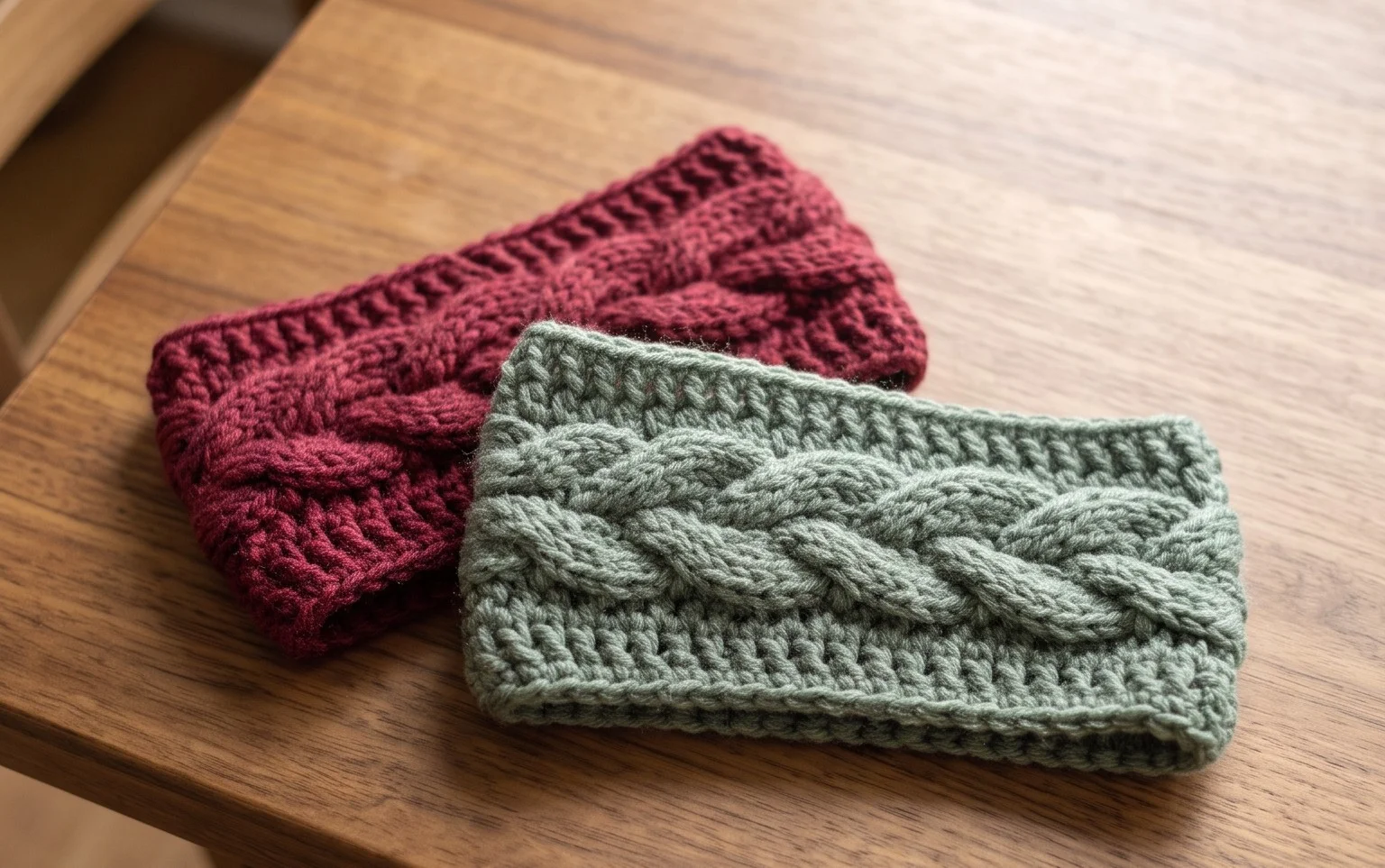
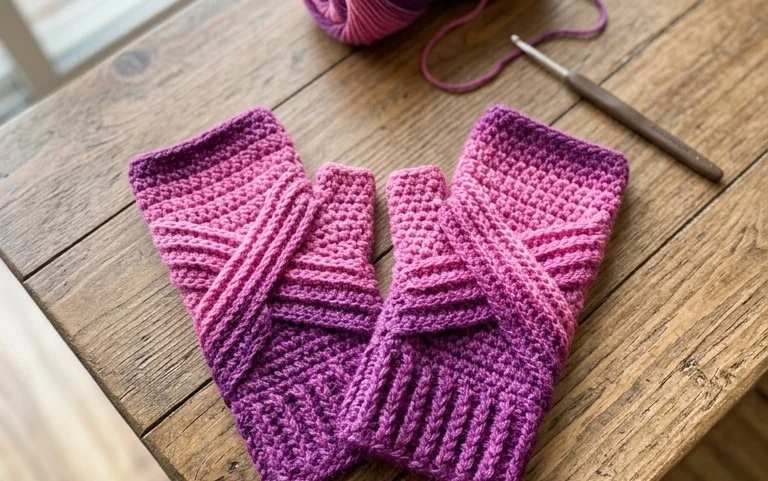
These fingerless mitts offer a snug fit that keeps your hands warm while leaving your fingers free to type or reach into a bag for your keys. The criss cross stitch creates a beautiful, dense texture that looks professional but relies on simple variations of standard double crochets. Beginners appreciate how quickly these work up because the repeating pattern becomes muscle memory after the first few rounds. You will learn to manipulate stitch placement to achieve that signature woven appearance. These gloves make thoughtful, practical gifts for friends who work in drafty offices or spend their mornings walking the dog in the crisp autumn air.
Why This Project Is Worth Making
The Classic Crochet Granny Square is the fundamental building block of crochet design. This specific version uses a traditional three-double-crochet cluster pattern that balances open space with structural integrity. It works up quickly because you are stitching into the chain-space gaps between clusters rather than hunting for individual stitch loops. You can use this square as a single motif for a coaster, or join dozens together to create large-scale afghans, bags, or garments. The repetitive nature of the rounds makes this a meditative project perfect for travel or relaxing in the evening.
I managed to whip up twelve of these squares in a single weekend. The instructions are incredibly clear and the pattern is easy to memorize after the first two rounds.
— Sarah, hobbyist crocheter
Pattern Overview & Skill Level
- Skill Level: Beginner
- Approximate Time: 30 minutes per square
- Construction: Worked in joined rounds, starting from the center and expanding outward
- Finished Dimensions: 5 inches by 5 inches using medium weight yarn
Materials & Supplies Needed
- Yarn: Worsted weight (#4) acrylic or cotton blend, approximately 20 yards per square.
- Hook Size: 5.0 mm (US H-8)
- Notions: Yarn needle for weaving in ends, scissors, and a measuring tape.
- Yarn Substitutions: You can use DK weight yarn for a smaller 4-inch square or bulky weight yarn for a larger 7-inch square. Changing yarn weight will significantly alter the final dimensions and drape.
Stitch Guide & Abbreviations (US Terms)
- ch = chain
- sl st = slip stitch
- dc = double crochet
- cluster = a group of 3 dc stitches worked into the same space
- sp = space (the hole created by chains in the previous round)
- st = stitch
Step-by-Step Pattern Instructions
Foundation and Rounds
- Foundation: Ch 4, sl st into the first ch to create a ring.
- Rnd 1: Ch 3 (counts as first dc), work 2 dc into the ring. Ch 2, *3 dc into ring, ch 2; repeat from * twice more. Join with a sl st to the top of the beginning ch-3. (12 dc, 4 ch-2 spaces)
- Rnd 2: Sl st into the next two sts and into the first ch-2 space. Ch 3, 2 dc, ch 2, 3 dc in same ch-2 space (first corner made). *Ch 1, in next ch-2 space work (3 dc, ch 2, 3 dc); repeat from * twice more. Ch 1, join with a sl st to the top of the beginning ch-3. (24 dc, 8 ch-1 spaces, 4 ch-2 corners)
- Rnd 3: Sl st into next two sts and into corner ch-2 space. Ch 3, 2 dc, ch 2, 3 dc in same space. *Ch 1, 3 dc in next ch-1 space, ch 1, (3 dc, ch 2, 3 dc) in corner ch-2 space; repeat from * twice more. Ch 1, 3 dc in final ch-1 space, ch 1, join with a sl st to the top of the beginning ch-3. (36 dc, 12 ch-1 spaces, 4 ch-2 corners)
Finishing
Once you have finished the third round, fasten off your yarn, leaving a 6-inch tail. Use your yarn needle to weave the tail through the back of the stitches to secure it. If you are making multiple squares for a blanket, leave longer tails to use for sewing the squares together later.
Care & Washing Instructions
- Hand wash or machine wash on a gentle cycle in cold water (maximum 30C).
- Lay the square flat on a clean towel to air dry, reshaping it into a perfect square while damp.
- Do not tumble dry or iron directly, as high heat can damage synthetic fibers and ruin the stitch definition.
Pro Tips & Common Mistakes to Avoid
Maintaining consistent tension is the most common hurdle for beginners. If your square begins to ruffle, your tension is likely too loose; if it begins to curl into a bowl shape, your tension is too tight. Always place a locking stitch marker in the first chain of your round to ensure you know exactly where to join at the end. Weave in your ends as you go, rather than waiting until the end of a large project, to keep your work neat and manageable. If you decide to adjust the size by adding more rounds, remember that each additional round will require significantly more yarn than the previous one due to the expanding perimeter.
Frequently Asked Questions
Can I substitute a different yarn fiber for this project?
Yes, you can use wool, cotton, or acrylic. Keep in mind that cotton has less stretch than acrylic, which may affect how the square holds its shape. Always use the hook size recommended on the yarn label to maintain the best gauge.
Is this pattern suitable for someone who has never held a crochet hook?
This pattern requires basic knowledge of chains, double crochet stitches, and joining with slip stitches. If you are brand new, practice your double crochet tension on a simple straight row before starting the round-based construction of the square.
How do I join these squares together to make a larger blanket?
You can join the squares using a slip stitch join through the back loops only or a flat braid join. Mattress stitching with a tapestry needle creates a nearly invisible seam and is often preferred for blankets.
Can I sell the items I make using this pattern?
You are welcome to sell finished items made from this design. Please credit the designer when listing your items online and use your own original photography for your listings.
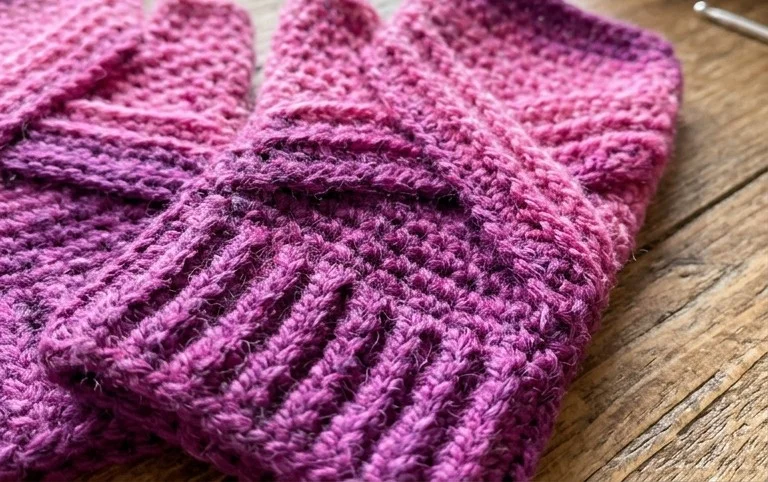
Your finished mitts provide a comfortable layer of warmth that fits neatly inside any coat pocket. You might consider working these in a wool blend for extra heat or a soft cotton yarn for a lighter feel during spring. Showing off your finished work on social media helps other makers find inspiration for their own handmade collections. If you enjoyed this project, you can browse through the other accessible patterns available on the site for your next craft session. Keep your hands cozy with this versatile accessory that transitions well between seasons throughout the entire year.